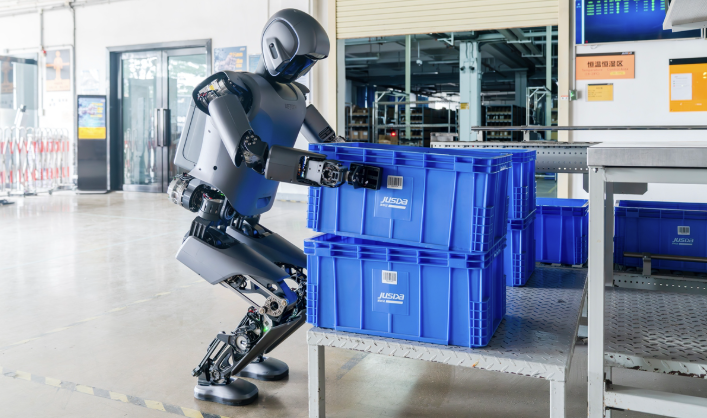
Robotics is increasingly becoming a cornerstone of automation, influencing various sectors significantly. Industries such as manufacturing, healthcare, and logistics are harnessing advanced technologies to enhance efficiency and minimize errors. However, this rapid evolution invites scrutiny regarding ethical implications and the potential for job displacement. As businesses navigate these complexities, understanding the broader impact of robotics on society raises critical questions about the future of work and human interaction with machines. What transformations lie ahead?
The Current Landscape of Robotics in Automation
As industries increasingly embrace advanced technologies, the current landscape of robotics in automation reveals a transformative shift across various sectors.
Robotic integration enhances automation efficiency, streamlining processes and reducing human error. This evolution empowers businesses to maximize productivity while liberating workers from mundane tasks, allowing them to focus on innovative and strategic endeavors that foster creativity and growth in an increasingly automated world.
Key Industries Transforming With Robotics Technology
While many industries are beginning to recognize the potential of robotics technology, a few key sectors are leading the charge in transformative applications.
The manufacturing revolution enhances production speed, while healthcare advancements improve patient care efficiency.
Agriculture efficiency and logistics optimization streamline supply chains, and construction innovation boosts project delivery.
Finally, retail automation reshapes customer experiences, demonstrating how robotics can elevate industry standards and drive progress.
Challenges and Ethical Considerations of Automation
Although automation holds immense promise for enhancing efficiency and productivity, it also presents a myriad of challenges and ethical dilemmas that society must confront.
Key concerns include job displacement for workers and the necessity of ethical programming to ensure machines make decisions aligned with human values.
Addressing these issues is crucial to harnessing automation’s benefits while safeguarding individual freedoms and societal well-being.
See also: singletopicnews
What Does the Future Hold for Robotics and Everyday Life?
The rapid advancement of robotics is poised to transform everyday life in profound ways, reshaping how individuals interact with their environments and the tools they use.
Home robotics, including personal assistants and smart appliances, will streamline daily tasks. Robotic pets may enhance companionship, while educational robots will foster learning.
In elderly care and automated transportation, robotics promises greater independence and safety for all.
Conclusion
As robotics continues to reshape the landscape of automation, the journey resembles a double-edged sword—capable of cutting through inefficiencies while posing risks of job displacement. Just as the advent of the steam engine revolutionized transportation, robotics promises to enhance productivity across sectors. However, much like a ship navigating turbulent waters, society must carefully steer through ethical challenges and workforce transitions to harness the full potential of this technological wave, ensuring a future where innovation and humanity coexist harmoniously.
