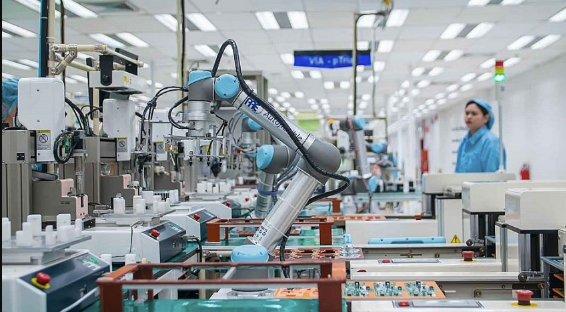
Robotics is increasingly integral to workplace automation, driving significant changes across numerous sectors. This technology enhances operational efficiency and allows employees to focus on higher-order tasks. However, the integration of robotics introduces challenges, such as resistance from the workforce and concerns about job displacement. Companies must navigate these complexities while ensuring ethical considerations are met. The question remains: how will organizations effectively prepare their workforce for this evolving landscape?
The Role of Robotics in Modern Automation
Robotics plays a critical role in modern automation, fundamentally transforming various industries by enhancing efficiency and precision.
Benefits of Integrating Robotics Into the Workplace
As organizations increasingly adopt automation technologies, the integration of robotics into the workplace offers significant advantages that extend beyond mere cost savings.
Enhanced safety protocols reduce workplace accidents, while robotics streamline operations, resulting in increased efficiency across various sectors.
This technological integration not only optimizes productivity but also empowers employees, allowing them to focus on higher-level tasks, thus fostering innovation and creativity.
Challenges and Considerations for Robotics Adoption
How can organizations effectively navigate the complexities of robotics adoption?
They must assess cost implications, ensuring investment aligns with long-term benefits.
Additionally, addressing workforce resistance is crucial; employees may fear job displacement.
Transparent communication and inclusive strategies can mitigate concerns, fostering a collaborative environment.
See also: Robotics and the Future of Automation
Preparing the Workforce for a Robotic Future?
Navigating the complexities of robotics adoption requires a forward-thinking approach to workforce preparation.
Companies must implement reskilling initiatives to equip employees with skills relevant to advanced technologies, mitigating the risks of job displacement.
Conclusion
As the dawn of robotics in the workplace approaches, questions linger in the air: will innovation lead to collaboration or conflict? Businesses teeter on the edge of transformation, where efficiency dances with the specter of job displacement. The success of this new era hinges on proactive reskilling and open dialogue, creating a symbiotic relationship between human ingenuity and robotic precision. In this pivotal moment, the choice remains clear: adapt and thrive, or resist and risk obsolescence.
