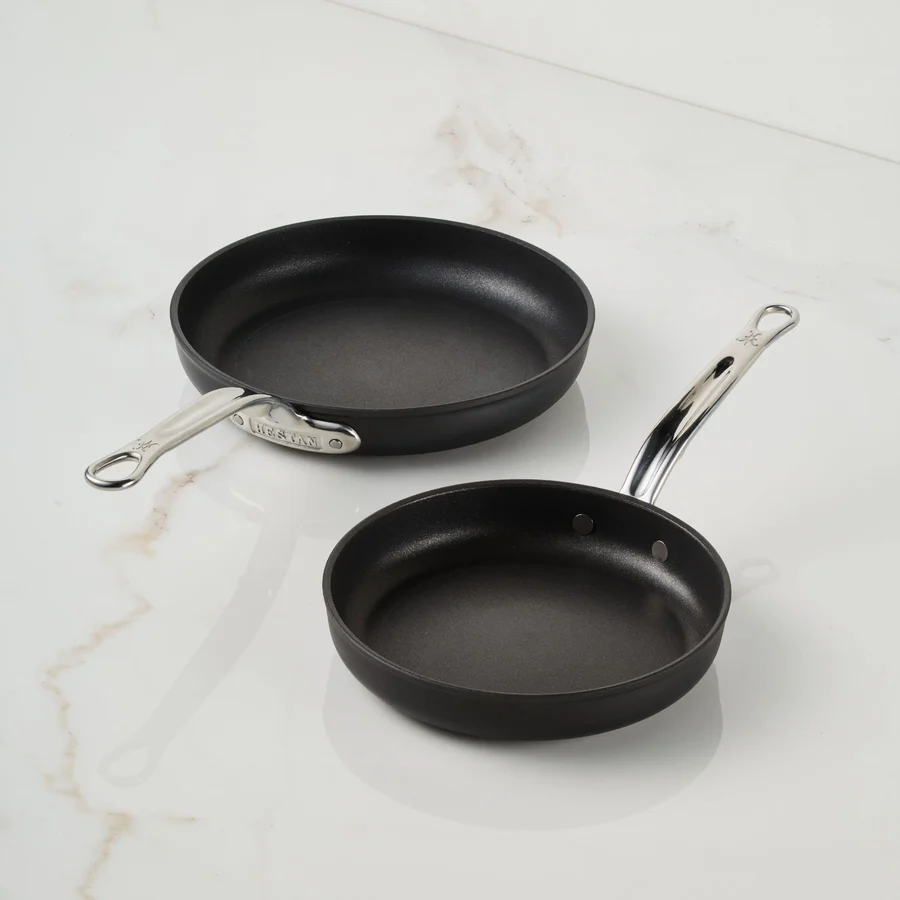
A durable nonstick frying pan is designed to provide consistent cooking performance over an extended period while maintaining surface quality and heat efficiency. Longevity in cookware depends on a combination of material strength, coating technology, and proper usage habits. Understanding what contributes to durability helps users make better decisions and maintain their cookware effectively.
Modern frying pans are engineered to withstand repeated cooking cycles, temperature changes, and everyday wear. However, not all nonstick pans are built the same. Some degrade quickly, while others maintain performance for years due to advanced construction and careful design.
Key Features of a Durable Nonstick Frying Pan
The lifespan of a frying pan is largely determined by its construction quality and surface engineering. A well designed durable nonstick frying pan combines multiple performance features that work together to extend usability.
Material quality and construction
High quality materials form the foundation of long lasting cookware. The base construction plays a critical role in ensuring even heat distribution and structural stability.
Multi layered designs are often used to improve durability and reduce the risk of warping. These layers help the pan maintain its shape even after repeated heating and cooling cycles.
Strong construction also ensures better compatibility with various cooking conditions. A stable base improves heat contact, which contributes to consistent cooking performance over time.
Coating technology
The nonstick coating is one of the most important elements affecting cookware lifespan. Advanced coatings are designed to resist wear and maintain smooth food release for longer periods.
Modern coating systems often include reinforced layers that improve scratch resistance and surface durability. This helps prevent early degradation caused by frequent cooking and utensil contact.
A well engineered coating maintains its performance even after extended use, reducing the need for frequent replacement.
Factors That Affect Durability
Several factors influence how long a durable nonstick frying pan will last. These include cooking habits, heat exposure, and maintenance routines.
Cooking habits and heat usage
Cooking temperature plays a significant role in cookware longevity. Excessive heat exposure can weaken nonstick coatings and reduce their effectiveness over time.
Consistent use of moderate heat helps preserve the surface and maintain coating integrity. Sudden temperature changes can also impact structural stability, especially in lower quality pans.
Proper heat management ensures that the frying pan retains its performance for a longer duration.
Cleaning and maintenance practices
Cleaning habits directly affect the lifespan of nonstick cookware. Harsh scrubbing tools or abrasive cleaners can damage the surface and reduce nonstick efficiency.
Gentle cleaning methods help preserve coating quality and maintain smooth performance. Regular cleaning after use prevents residue buildup, which can affect cooking efficiency over time.
Proper maintenance ensures that the pan continues to perform effectively without surface deterioration.
How to Extend the Life of Your Frying Pan
Extending the lifespan of a durable nonstick frying pan requires consistent care and proper usage techniques. Small adjustments in handling can significantly improve longevity.
Proper usage techniques
Using the frying pan correctly helps prevent unnecessary wear. Cooking at appropriate temperatures reduces stress on the coating and maintains structural stability.
Avoiding sudden heating or cooling cycles helps preserve the integrity of the pan. Gradual temperature adjustments reduce the risk of surface damage and warping.
Using the pan within its recommended cooking range ensures long term performance and reliability.
Storage and care tips
Proper storage plays an important role in protecting cookware. Stacking pans without protection can lead to scratches and surface damage.
Using soft separators or hanging storage methods helps preserve the coating. Keeping cookware in a dry environment also prevents moisture related damage.
Careful storage ensures that the frying pan remains in good condition between uses.
Common Mistakes That Reduce Lifespan
Even high quality cookware can degrade quickly if not used properly. Understanding common mistakes helps prevent early damage to a durable nonstick frying pan.
Overheating and misuse
One of the most common causes of damage is overheating. Excessive heat can break down the nonstick coating and reduce its effectiveness.
Using high heat unnecessarily also increases the risk of warping and surface deterioration. Controlled temperature usage helps maintain long term performance.
Avoiding misuse ensures that the frying pan retains its original functionality for longer.
Using improper utensils
Metal utensils or sharp tools can scratch the nonstick surface, reducing its smoothness and effectiveness. This damage can accumulate over time and affect cooking performance.
Using soft or non abrasive utensils helps preserve the coating. This simple practice significantly extends cookware lifespan.
Proper utensil selection is essential for maintaining scratch resistance and surface integrity.
Choosing a Long Lasting Nonstick Frying Pan
Selecting the right frying pan requires attention to construction quality, coating strength, and heat performance. A well designed durable nonstick frying pan provides long term value and consistent cooking results.
When evaluating options, consider the following:
- Quality of base construction and material layering
- Strength and durability of nonstick coating
- Resistance to scratches and wear
- Heat distribution and stability performance
- Overall design balance and usability
A well engineered pan provides better long term reliability and reduces the need for frequent replacement.
For more advanced cookware solutions, explore Hestan premium cookware brand, known for precision engineered designs focused on durability and performance.
Hestan Culinary develops cookware that emphasizes long lasting construction, consistent heat control, and reliable cooking performance for modern kitchens.
Heat Management and Cooking Performance
Heat management is a key factor in cookware longevity. A properly designed frying pan distributes heat evenly across the surface, reducing stress on the coating.
Even heat distribution prevents localized overheating, which can damage nonstick layers over time. It also improves cooking consistency and reduces the risk of uneven results.
Stable heat performance contributes directly to extended cookware lifespan.
Material Strength and Structural Stability
Structural stability is essential for maintaining long term durability. A strong base prevents warping and ensures consistent contact with heat sources.
Multi layered construction improves resistance to deformation under repeated use. This helps maintain flatness and improves cooking efficiency over time.
Stable structure also enhances overall user experience by providing reliable performance.
Importance of Proper Handling
Handling practices significantly affect cookware durability. Gentle use and careful movement reduce unnecessary stress on the surface.
Avoiding abrupt impacts or rough handling helps maintain coating integrity. Proper handling ensures that both the structure and surface remain in good condition.
Consistent care leads to longer lasting cookware performance.
Maintenance for Long Term Use
Routine maintenance is essential for extending cookware lifespan. Regular cleaning prevents buildup that can affect surface performance.
Using appropriate cleaning tools ensures that the coating remains intact. Avoiding harsh chemicals helps preserve surface quality over time.
Maintenance habits play a major role in long term durability.
Environmental and Practical Benefits
Long lasting cookware contributes to reduced waste and improved kitchen efficiency. Durable products reduce the frequency of replacements, supporting more sustainable practices.
Efficient heat distribution also helps reduce energy consumption during cooking. This makes durable cookware both practical and resource conscious.
Sustainability and durability often go hand in hand in modern cookware design.
User Experience and Reliability
A well designed frying pan improves overall cooking experience through consistent performance and ease of use. Reliable heat control and stable surfaces make cooking more predictable.
Durability also contributes to user confidence, allowing for better control during cooking tasks. A dependable pan enhances efficiency and reduces cooking inconsistencies.
Long term reliability is a key benefit of high quality cookware design.
Conclusion
A durable nonstick frying pan is the result of thoughtful engineering, quality materials, and proper usage practices. Its lifespan depends on factors such as coating strength, heat management, and maintenance habits.
By choosing well constructed cookware and following proper care techniques, users can significantly extend performance and usability. The combination of durability and efficiency ensures consistent cooking results over time.
For support or inquiries, visit the official contact page.
FAQs
1. What makes a nonstick frying pan durable?
Durability comes from strong base construction, reinforced coatings, and proper heat resistance.
2. How can I make my frying pan last longer?
Using moderate heat, gentle cleaning methods, and proper storage helps extend lifespan.
3. Does overheating damage nonstick pans?
Yes, excessive heat can weaken the coating and reduce nonstick performance over time.
4. Are all nonstick pans equally durable?
No, durability depends on material quality, coating technology, and construction design.
5. What is the best way to maintain a nonstick frying pan?
Regular gentle cleaning, avoiding metal utensils, and proper heat control are key maintenance practices.
