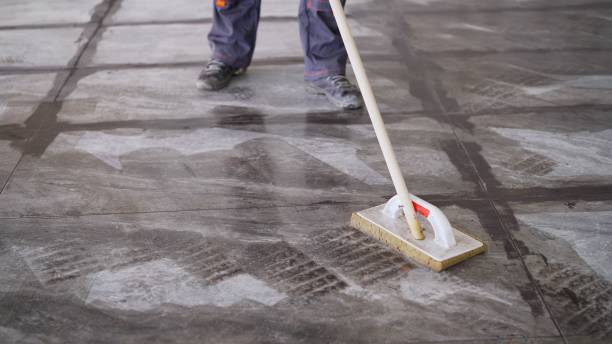
Maintaining concrete floors in commercial and industrial environments requires more than routine cleaning. Over time, concrete surfaces can become porous, dusty, and prone to wear. This is where allure concrete solutions brisbane plays a crucial role by offering advanced treatments like concrete cleaning densification to enhance durability and performance.
Concrete cleaning densification is a combined approach that not only restores the appearance of concrete but also strengthens it from within. This process is widely used in warehouses, factories, and commercial spaces where long lasting flooring performance is essential.
Understanding Concrete Cleaning and Densification
Concrete surfaces are constantly exposed to traffic, debris, and environmental factors. Proper maintenance begins with understanding the difference between cleaning and densification and how they work together.
What is concrete cleaning?
Concrete cleaning involves the removal of dirt, grease, stains, and contaminants from the surface. Industrial floor cleaning methods may include mechanical scrubbing, pressure washing, or the use of specialised cleaning agents.
This step is essential because it prepares the surface for further treatment. Without proper cleaning, any additional process may not bond effectively with the concrete.
What is densification?
Densification is a chemical treatment that penetrates the concrete surface and reacts with its internal structure. It strengthens the material by reducing porosity and increasing hardness.
Unlike surface coatings, densification works below the surface, making the concrete more resistant to wear and damage. This makes it a long term solution rather than a temporary fix.
How Concrete Densification Works
The effectiveness of densification lies in its chemical interaction with the concrete. This process transforms weak and porous surfaces into strong and durable flooring systems.
Chemical reaction inside concrete
Concrete densifiers, such as silicate based solutions, react with calcium hydroxide present in the concrete. This reaction forms additional calcium silicate hydrate, which is the compound responsible for the strength of concrete.
As a result, the internal structure becomes denser and more compact. This reduces the presence of microscopic pores that can trap dust and moisture.
Strengthening and hardening process
Once the chemical reaction is complete, the surface becomes significantly harder. This increased hardness improves the floor’s ability to withstand heavy loads and continuous use.
For a deeper understanding of this treatment, explore concrete cleaning densification to see how professional services apply this process effectively.
Key Benefits of Concrete Densification
Concrete densification offers several advantages that make it a preferred solution for industrial and commercial flooring maintenance.
Increased surface durability
Densified concrete floors are more resistant to abrasion and impact. This makes them suitable for environments where heavy equipment and constant movement are common.
The improved durability reduces the likelihood of cracks and surface damage, ensuring a longer lifespan.
Dust proof and low maintenance floors
Untreated concrete often produces dust due to surface wear. Densification eliminates this issue by binding loose particles and creating a solid surface.
This results in a cleaner environment and reduces the need for frequent maintenance, making it a cost effective solution.
Improved resistance to stains and wear
A densified surface is less porous, which means it absorbs fewer liquids and contaminants. This improves resistance to stains, chemicals, and general wear.
The result is a floor that maintains its appearance and performance over time with minimal upkeep.
Where Densified Concrete Floors Are Used
Densified concrete is widely used across various industries due to its strength and low maintenance requirements. Its versatility makes it suitable for different applications.
Warehouses and factories
Industrial facilities require flooring that can handle heavy loads and constant activity. Densified concrete provides the strength and durability needed in such environments.
Commercial showrooms
In commercial spaces, appearance and functionality are equally important. Densified floors offer a clean and professional look while maintaining structural integrity.
Retail and high traffic environments
Retail spaces experience continuous foot traffic, which can lead to wear and tear. Densification helps maintain a smooth and durable surface that withstands daily use.
Cleaning vs Densification: What’s the Difference?
While both processes are essential, they serve different purposes in maintaining concrete floors. Understanding these differences helps in choosing the right solution.
Surface level cleaning
Cleaning focuses on removing visible dirt and contaminants from the surface. It improves the appearance but does not enhance the structural properties of the concrete.
This process is often the first step before applying other treatments.
Deep structural improvement
Densification goes beyond surface level treatment by strengthening the concrete internally. It enhances durability, reduces porosity, and improves overall performance.
Combining cleaning with densification ensures both immediate and long term benefits.
When Should You Consider Densification?
Knowing when to apply densification can help maximise its benefits. Certain conditions indicate that your concrete floor may require this treatment.
Old or worn concrete floors
Over time, concrete surfaces can become weak and dusty. Densification restores strength and improves performance, making it ideal for ageing floors.
Pre polishing preparation
Densification is often used before polishing to create a strong base. It enhances the final finish and ensures better results during the polishing process.
Choosing a professional service provider like Allure Concrete Solutions ensures that the process is carried out with precision and expertise.
FAQs
How long does densification last?
Densification is a long term solution that can last for many years. Its durability depends on the level of traffic and maintenance practices.
Is densification suitable for all concrete floors?
Most concrete floors can benefit from densification. However, the condition of the surface should be assessed to determine the appropriate treatment.
Does it make floors slippery?
Densification does not necessarily make floors slippery. In fact, it can improve traction when combined with proper finishing techniques.
Can densification replace polishing?
Densification and polishing serve different purposes. Densification strengthens the concrete, while polishing enhances its appearance and smoothness.
How often is cleaning required after densification?
Cleaning requirements are reduced after densification. Regular maintenance is still recommended to preserve the floor’s condition.
Conclusion
Concrete cleaning densification is a powerful solution for maintaining and improving concrete floors in commercial and industrial settings. By combining thorough cleaning with advanced chemical treatment, it enhances durability, reduces maintenance, and improves resistance to wear.
This process not only extends the lifespan of concrete surfaces but also ensures a cleaner and safer environment. Whether you are managing a warehouse, showroom, or retail space, investing in densification can deliver long term value.
If you are considering this solution for your property, it is important to seek professional guidance. You can easily contact the experts to discuss your requirements and find the most suitable approach for your flooring needs.
