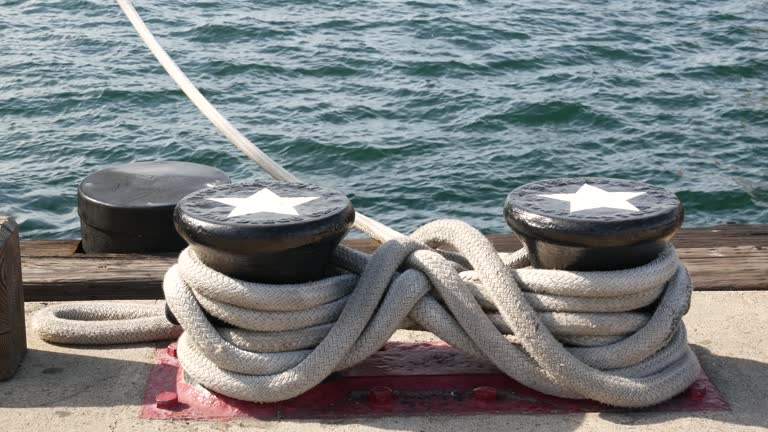
Choosing the right marine components is essential for maintaining a safe, functional, and efficient vessel. Whether you are upgrading your setup or starting from scratch, understanding the purpose and importance of each component helps you make informed decisions.
For high quality solutions and a wide range of options, explore canvas designers UK for reliable marine products and expertise.
Marine hardware plays a central role in ensuring that every part of your boat operates smoothly. From anchoring systems to deck fittings, each element contributes to overall performance and safety.
What Is Marine Hardware
Marine hardware refers to the essential components and fittings used on boats to support structure, movement, and operational tasks. These elements are designed specifically to withstand harsh marine environments.
Definition and Importance
Marine hardware includes a variety of components such as cleats, hinges, rails, fasteners, and anchor systems. These parts are engineered to provide strength and reliability under constant exposure to water, salt, and changing weather conditions.
The importance of marine hardware lies in its ability to maintain structural integrity while supporting key functions like docking, anchoring, and onboard movement.
Role in Boat Safety and Functionality
Every piece of hardware contributes to safety. Properly installed and maintained components ensure that the boat operates as intended without unexpected failures.
For example, secure fasteners prevent structural issues, while reliable anchoring systems keep the boat stable when stationary. Together, these components create a safe and efficient boating experience.
Essential Types of Marine Hardware
Understanding the different categories of marine hardware helps in identifying what your boat truly needs. Each type serves a unique purpose and contributes to overall functionality.
Deck Hardware
Deck hardware includes items such as cleats, winches, handrails, and hinges. These components are installed on the surface of the boat and are essential for daily operations.
They assist in securing ropes, supporting movement, and providing stability for passengers. High quality deck hardware ensures durability and ease of use.
Anchoring Systems
Anchoring systems are critical for keeping your boat in place. This includes anchors, chains, ropes, and guiding components that work together to provide stability.
A well designed anchoring system ensures smooth deployment and retrieval while reducing strain on the boat. It also enhances safety in various water conditions.
Fasteners and Fittings
Fasteners and fittings include bolts, screws, brackets, and connectors. These small components play a significant role in holding the entire structure together.
Choosing the right fasteners ensures that all parts remain securely attached, even under stress. They are fundamental to the long term reliability of the boat.
To explore a wide range of options, you can check out this collection of marine hardware designed for durability and performance.
How to Choose the Right Marine Hardware
Selecting the right hardware involves careful consideration of several factors. Making the correct choice ensures both performance and longevity.
Material Selection
Material is one of the most important aspects when choosing marine hardware. Stainless steel is commonly used due to its strength and resistance to corrosion.
Other materials may also be suitable depending on the application. The key is to ensure that the material can withstand exposure to water and salt without degrading.
Compatibility with Boat Type
Different boats require different types of hardware. The size, design, and purpose of your vessel determine which components are most suitable.
Ensuring compatibility prevents installation issues and enhances overall performance. Customization may also be required for specific setups.
Durability and Corrosion Resistance
Marine environments are harsh, making durability a critical factor. Hardware must resist corrosion, wear, and environmental stress.
Investing in high quality components reduces the need for frequent replacements and ensures consistent performance over time.
Why Quality Marine Hardware Matters
Using high quality hardware is not just about performance. It directly impacts safety and long term cost efficiency.
Safety Considerations
Reliable hardware reduces the risk of failure during operation. This is especially important for components that handle load and tension.
Poor quality materials can weaken over time, leading to potential hazards. Choosing durable options ensures that your boat remains safe under various conditions.
Long Term Cost Efficiency
While high quality hardware may require a higher initial investment, it offers better value in the long run. Durable components last longer and require less maintenance.
This reduces replacement costs and minimizes downtime, making it a cost effective choice over time.
Maintenance Tips for Marine Hardware
Proper maintenance is essential to keep your hardware in optimal condition. Regular care ensures longevity and consistent performance.
Cleaning and Inspection
Cleaning removes salt, dirt, and debris that can cause corrosion. Regular inspection helps identify signs of wear or damage early.
By addressing issues promptly, you can prevent more serious problems from developing.
Preventing Corrosion
Corrosion is one of the biggest challenges in marine environments. Using protective coatings and corrosion resistant materials helps reduce this risk.
Proper storage and regular maintenance further enhance the lifespan of your hardware.
Common Buying Mistakes
Avoiding common mistakes can save time, money, and effort. Understanding these pitfalls helps you make better purchasing decisions.
Choosing Low Quality Materials
Opting for cheaper materials may seem cost effective initially, but it often leads to frequent replacements and reduced performance.
High quality materials provide better durability and reliability, making them a smarter investment.
Ignoring Environmental Factors
Different environments require different types of hardware. Factors such as saltwater exposure, temperature, and usage conditions must be considered.
Ignoring these aspects can result in premature wear and reduced effectiveness of the hardware.
Conclusion
Marine hardware is a fundamental part of any boat, supporting both functionality and safety. From deck fittings to anchoring systems, each component plays a vital role in ensuring smooth operations.
Choosing the right hardware involves careful consideration of materials, compatibility, and durability. Investing in quality components not only improves performance but also enhances safety and long term efficiency.
For reliable solutions and expert craftsmanship, Canvas Designers provides a wide range of marine hardware designed to meet diverse boating needs. If you need assistance or have specific requirements, feel free to contact their team for guidance.
FAQs
What is the most important marine hardware
The most important marine hardware includes anchoring systems, deck fittings, and fasteners, as they directly impact safety and functionality.
Why is stainless steel used in marine hardware
Stainless steel is used because it offers excellent strength and resistance to corrosion, making it ideal for marine environments.
How often should marine hardware be replaced
Replacement depends on usage and condition. Regular inspection helps determine when components need to be replaced.
Can I install marine hardware myself
Some hardware can be installed independently, but complex installations may require professional assistance to ensure proper fitting and safety.
What should I check before buying marine hardware
You should check material quality, compatibility with your boat, durability, and resistance to environmental conditions before making a purchase.
